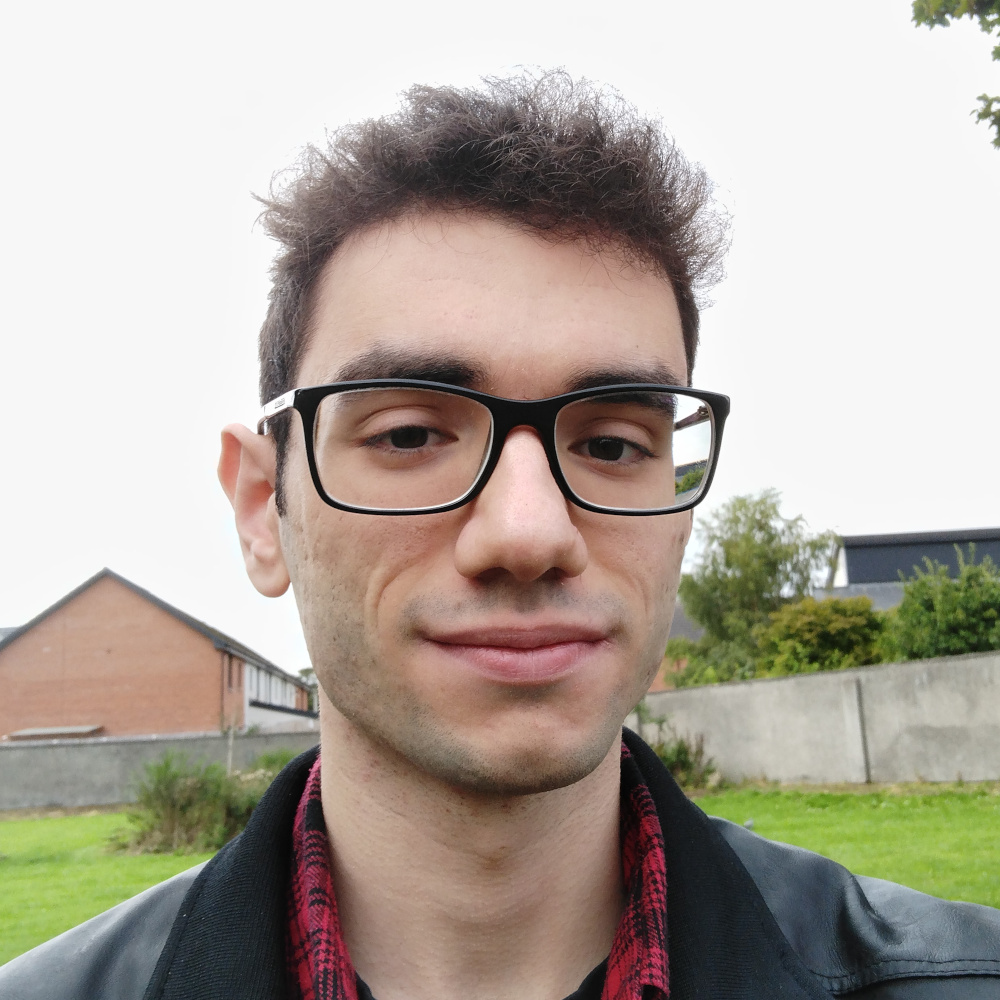
Hi! I am a research scientist at Pi School and currently working on DVPS, a 4-year Horizon Europe research project focusing on the development of open-source multi-modal foundation models. Previously, I was a PhD Student at the Institute for Adaptive and Neural Computation and part of the APRIL research lab in Edinburgh, supervised by Dr. Antonio Vergari. My technical background is rather diverse and covers tensor factorizations, deep generative models, knowledge graphs, neurosymbolic methods, and foundation models. I am experienced with developing and training custom-built machine learning methods, as well as gluing existing methodologies together into new working systems.
Publications
For a complete list refer to Google Scholar.
A. Grivas, L. Loconte, E. van Krieken, P. Nawrot, Y. Zhao, E. Wielewski, P. Minervini, E. Ponti, A. Vergari.
ICML 2026.
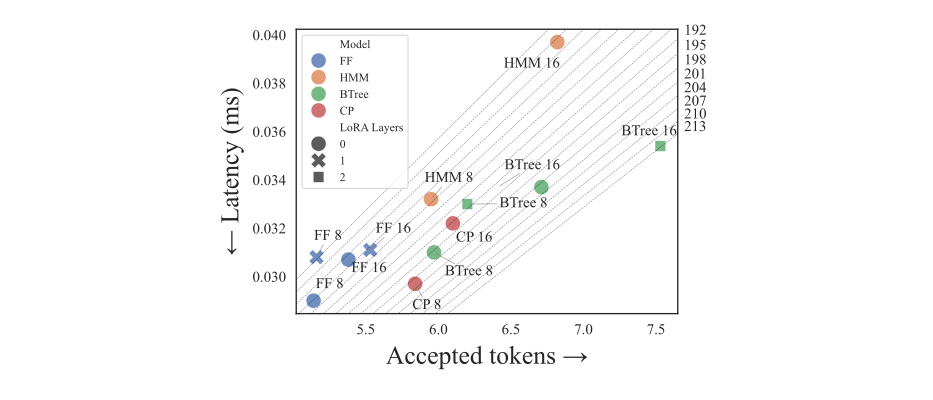
L. Loconte, A. Javaloy, A. Vergari.
ICLR 2026.
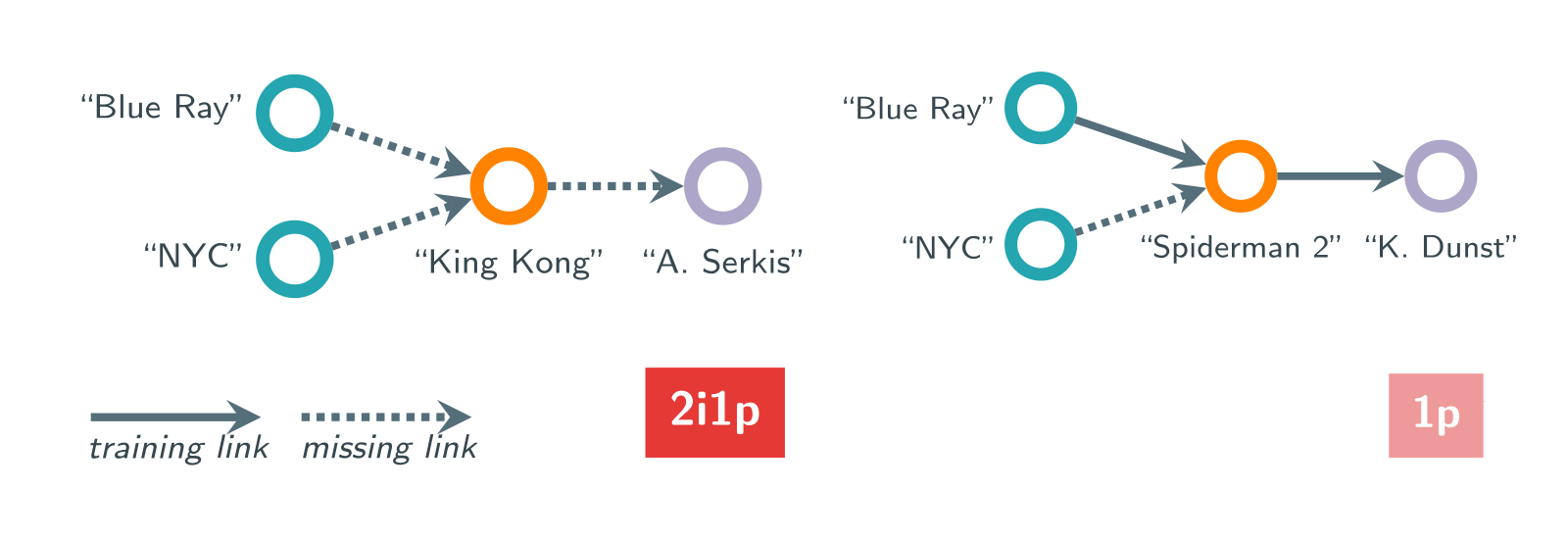
C. Gregucci, B. Xiong, D. Hernández, L. Loconte, P. Minervini, S. Staab, A. Vergari.
ICML 2025. Spotlight (top 2.6%).
L. Loconte*, A. Mari*, G. Gala*, R. Peharz, C. de Campos, E. Quaeghebeur, G. Vessio, A. Vergari.
TMLR 2025. Featured certification.
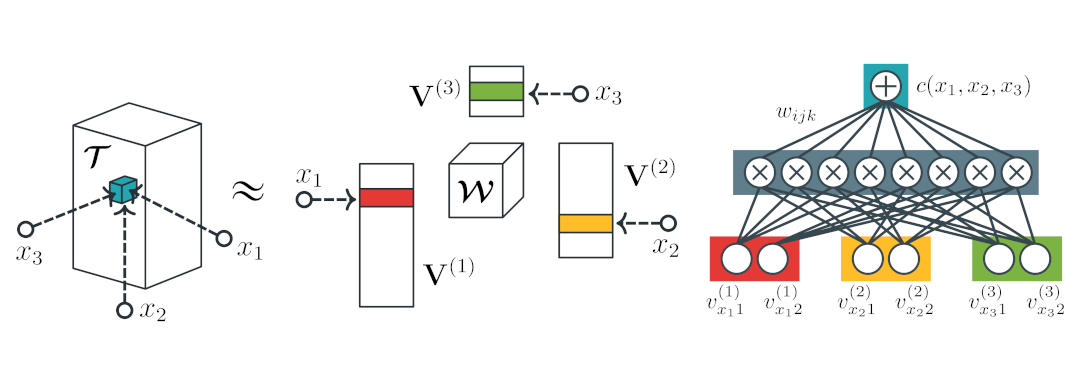
L. Loconte, S. Mengel, A. Vergari.
AAAI 2025.
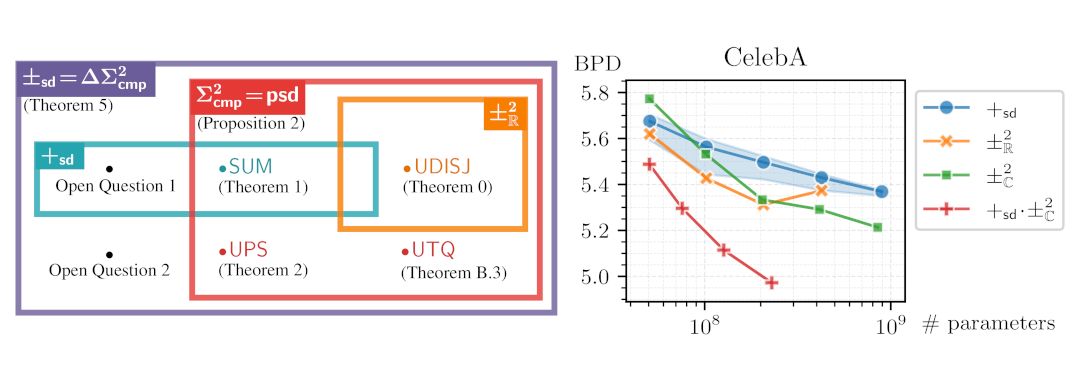
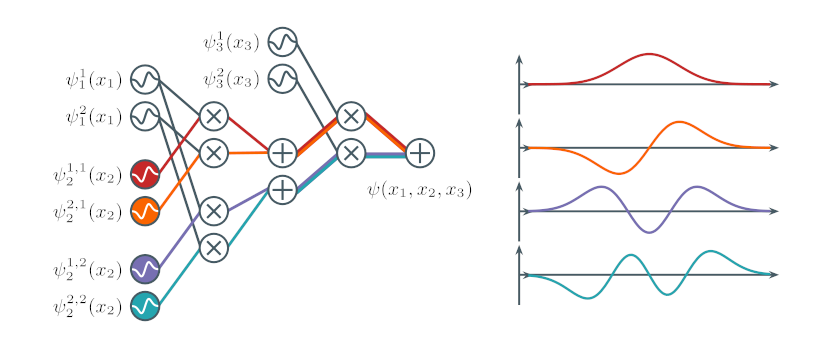
L. Loconte, A. M. Sladek, S. Mengel, M. Trapp, A. Solin, N. Gillis, A. Vergari.
ICLR 2024. Spotlight (top 5%).

L. Loconte, N. Di Mauro, R. Peharz, A. Vergari.
NeurIPS 2023. Oral (top 0.6%).
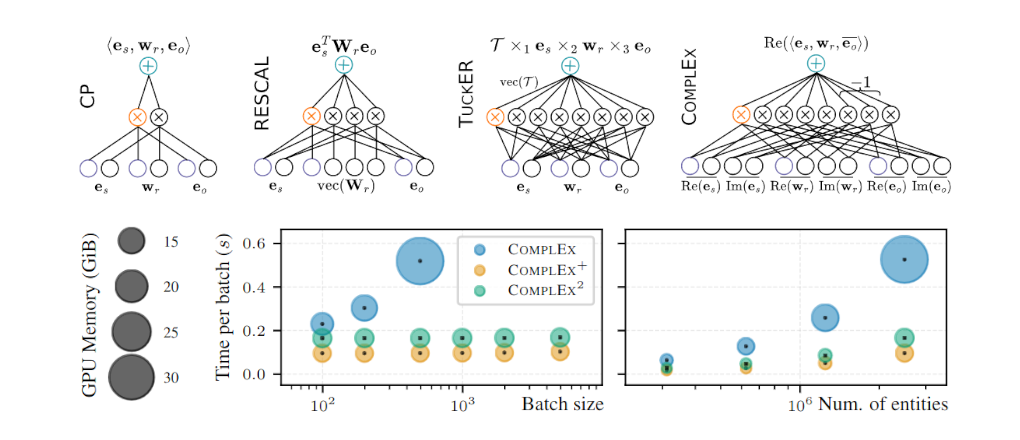
Software
Here is some software I have contributed to. Check out also my GitHub profile.
 cirkit by The april Lab (GPL-3.0).